Photography Tips for Capturing the Beauty of the Great Ocean Road
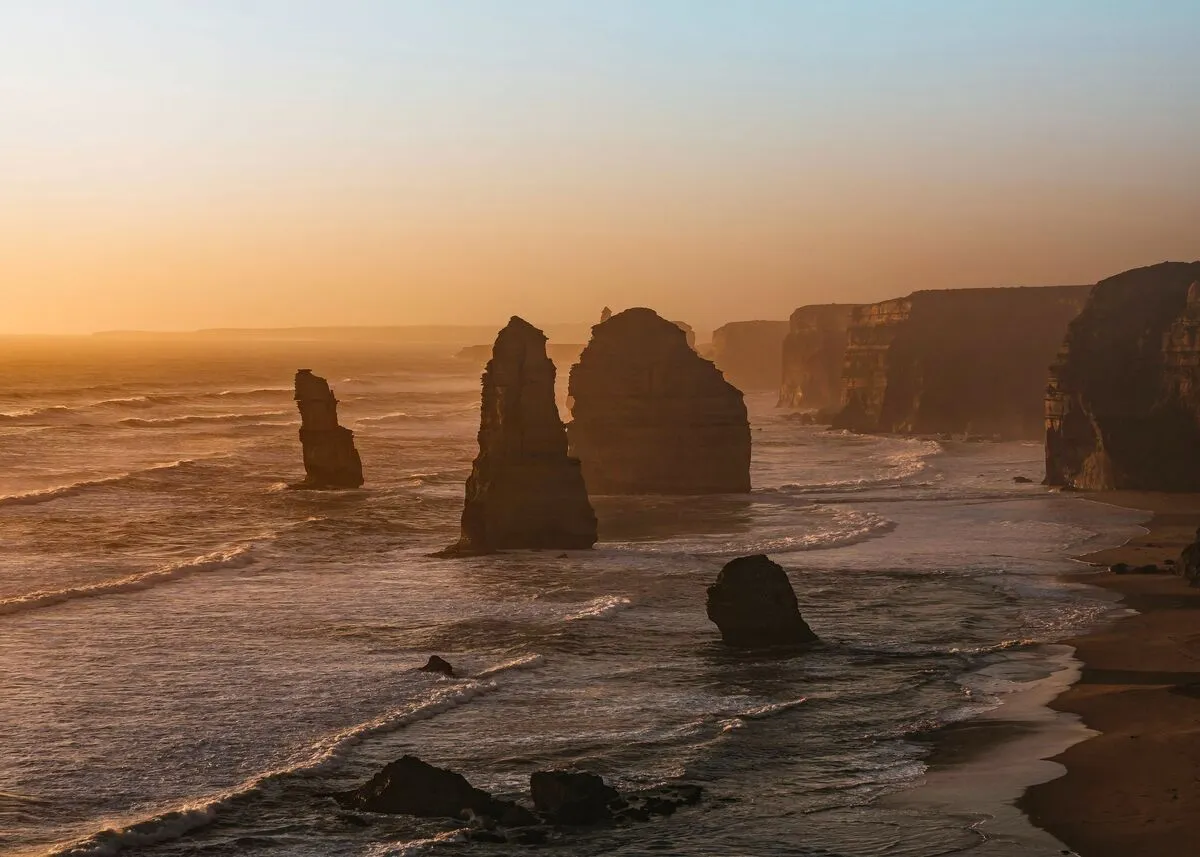
The Great Ocean Road is a famous road 240km from the Victorian coast, full of places to shoot. This is a photographer’s paradise as it has coastlines, clean beaches and an active coastline and more. There are many opportunities in this guide to shoot the beauty of this amazing coastline on your Great Ocean Road day trip from Melbourne.
Explore The Area
Why Landscape Photography
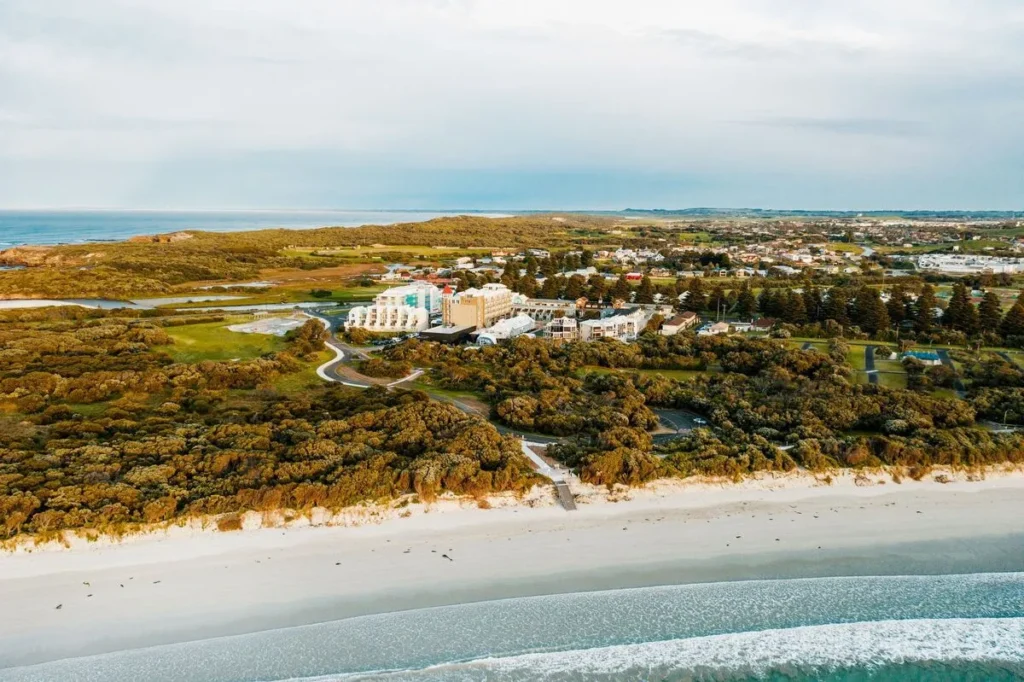
Several reasons why The Great Ocean Road is a must see for landscape photographers. Diverse and scenic landscapes, beautiful coastlines with dramatic rock formations and dense rainforest. Mother Nature’s golden hour and blue hour for photography, natural beauty and changing light, means amazing photo opportunities. Each location has many photographic opportunities to capture great shots from Port Campbell National Park to Apollo Bay.
The Art & Science of Landscape Photography
Creativity & Experimentation
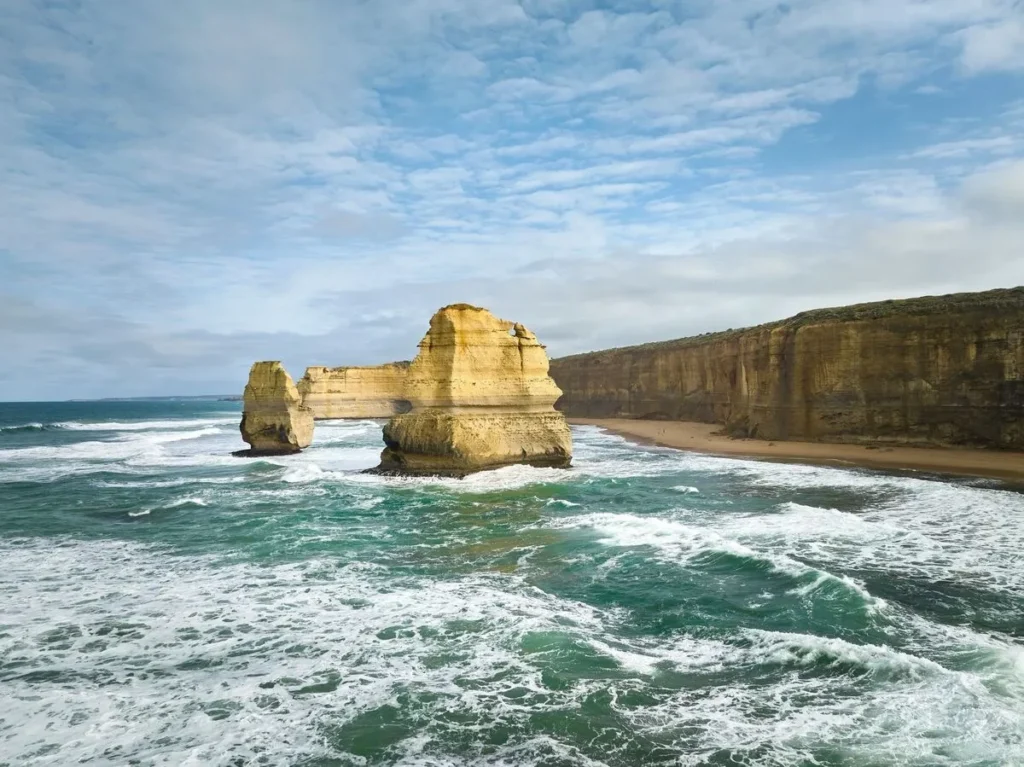
Landscape photography is both art and science. You need creativity to get your shot and technical skills to get good-looking images all the time. Capture the essence of landscapes by using different focal lengths and compositions. Use different exposure times and shutter speeds if you want a waterfall effect or rugged cliffs in your photos. Get out there and try new angles and weather conditions to get extraordinary shots.
Gear and Photography Techniques
Essential Gear
If you want to get the most out of your photography along The Great Ocean Road, make sure you have all the gear to handle the different types of landscapes that will present themselves to you at any given time. A high-quality mirrorless or DSLR camera is essential to capture vistas and dynamic scenes across this journey we call life. For convenience’s sake, have both wide-angle lenses and telephoto zooms; where else can you capture the coastline or the ocean other than having the two lenses? Use your telephoto lens to zoom in on distant wildlife and rock formations.
Other than your main camera kit, invest in some filters to give you an edge in your photography. Neutral density (ND) filters are used to reduce reflections and control light so longer exposures don’t overexpose your images. Polarizing filters are also useful as they reduce glare on water and enhance color tones of skies and foliage.
A tripod is a must when shooting in low light or longer shutter speeds to avoid any shake and get sharp images. As a travel photographer, you should always go for lightweight yet strong tripods for portability reasons.
Photography Tips
To capture the essence of this iconic destination in your photography along The Great Ocean Road you need to practice some techniques. One technique every beginner should learn is the rule of thirds. By placing major elements in your composition along with grid lines or their intersections you can create balanced dynamic images that lead the viewer’s eye through them.
You need to adjust your camera settings to the light so you can really capture the beauty of this landscape. For example during bright day light you may need to change your aperture and shutter speed to avoid over exposing. Underexposed images or those taken at twilight may need longer exposure times and higher ISO to get more details.
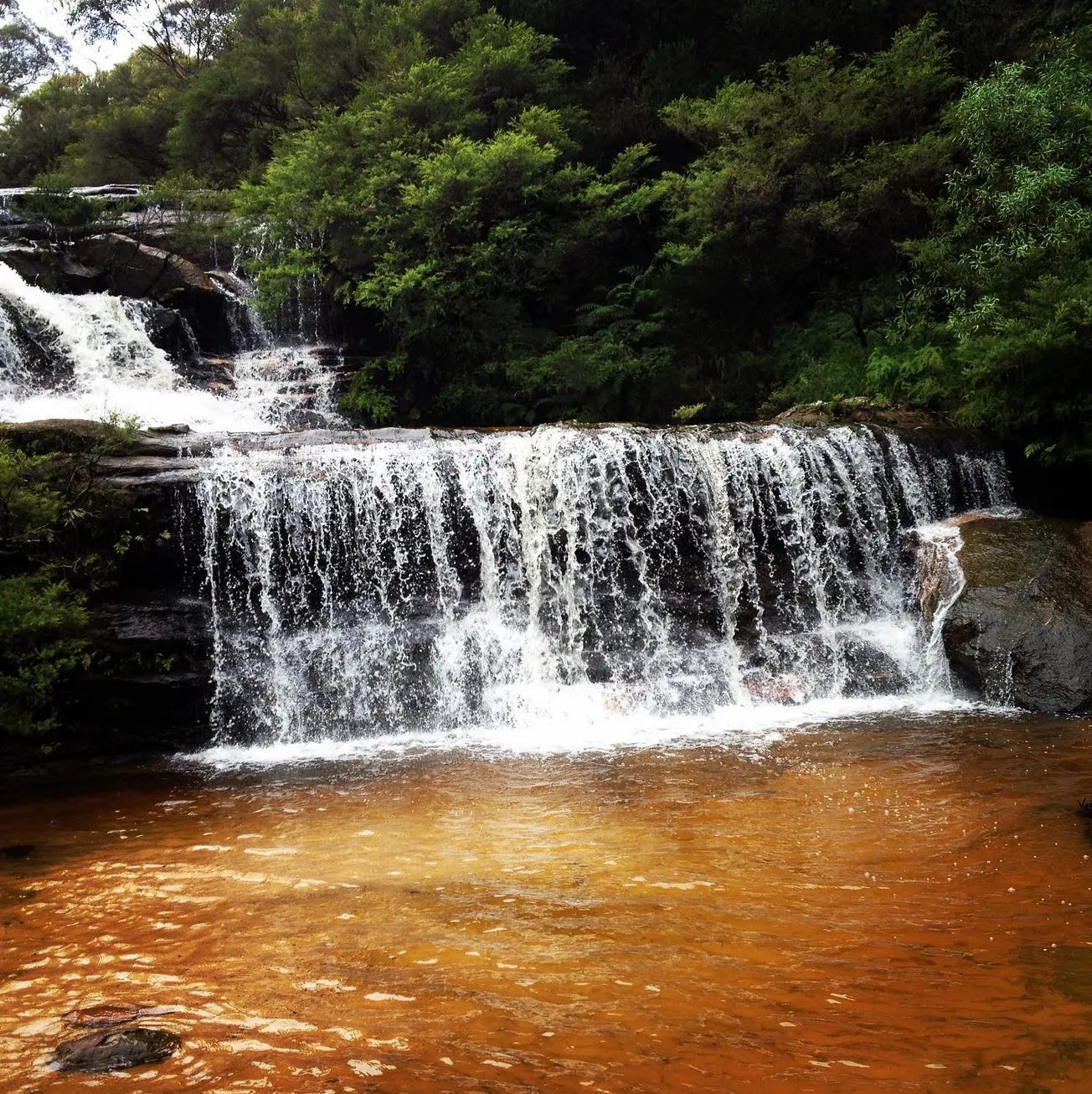
Neutral density filters work well with long exposures to create sense of motion and calmness in images. These filters can be used to create smooth water flow down waterfalls, mild ocean waves movement or drifting clouds across the sky. Different shutter speeds will give different effects, freezing fast moving objects or blurring them for motion perception.
Blue hour photography is taking photos when there is soft diffused light either before sunrise or after Great Ocean Road sunset which creates the magic in these images. Moonlight shots have their own atmosphere especially when you are shooting scenes with moon reflected on water bodies or rugged coastlines.
Overcast days are good for shooting subjects like moss-covered rocks or mini waterfalls. The even light on overcast days helps to minimize hard shadows and highlights and brings out textures and fine details on the landscape.
Top Locations
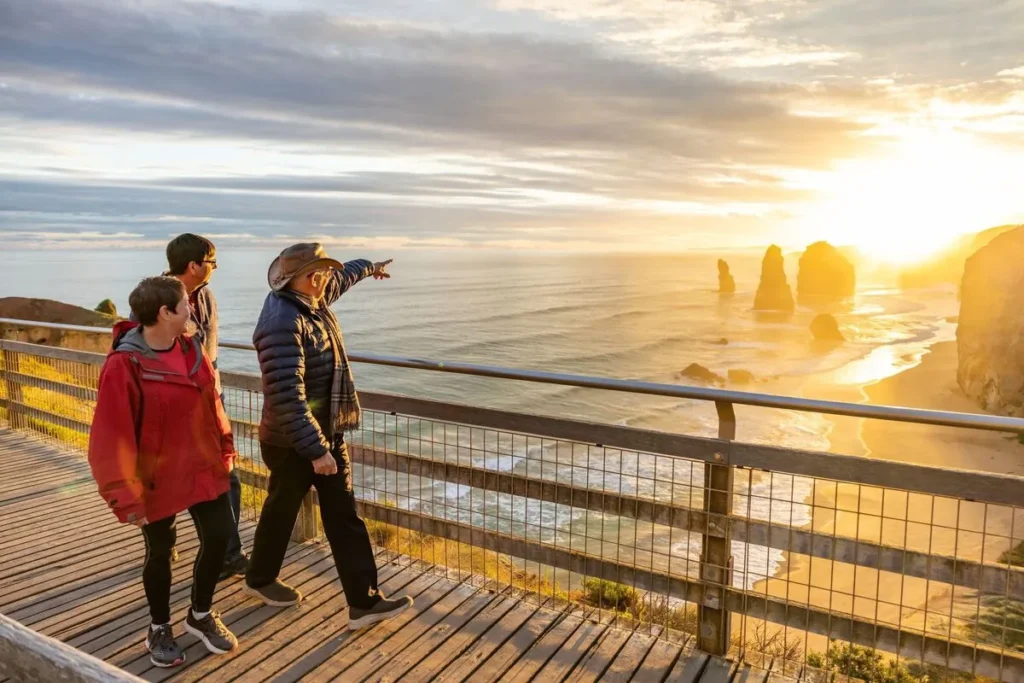
London Bridge, Peterborough
This natural rock formation also known as London Arch has great views and great photo opportunities . Take photos of jagged coastal lines with rock pools against the Southern Ocean backdrop. Different times of day will give different colour from dawn to dusk so more landscape shots to get.
Split Point Lighthouse, Aireys Inlet
The Split Point Lighthouse is an iconic landmark with great spots to shoot coastal views . It looks good with deep blue ocean and suitable for wide angle and telephoto shots . It looks especially good during golden hour and warm light of the evening sun.
Point Lonsdale Lighthouse
At the entrance to Port Phillip Bay this lighthouse has views of a rugged coastline. The surrounding area has spots to shoot wide angle and get up close to the architecture.
Teddy’s Lookout, Lorne
Teddy’s has 180 degree views of the Great Ocean Road and surrounding coastline. Here you can shoot landscapes or sunsets. The contrast between deep blue sea and greenery is magic.
Californian Redwoods
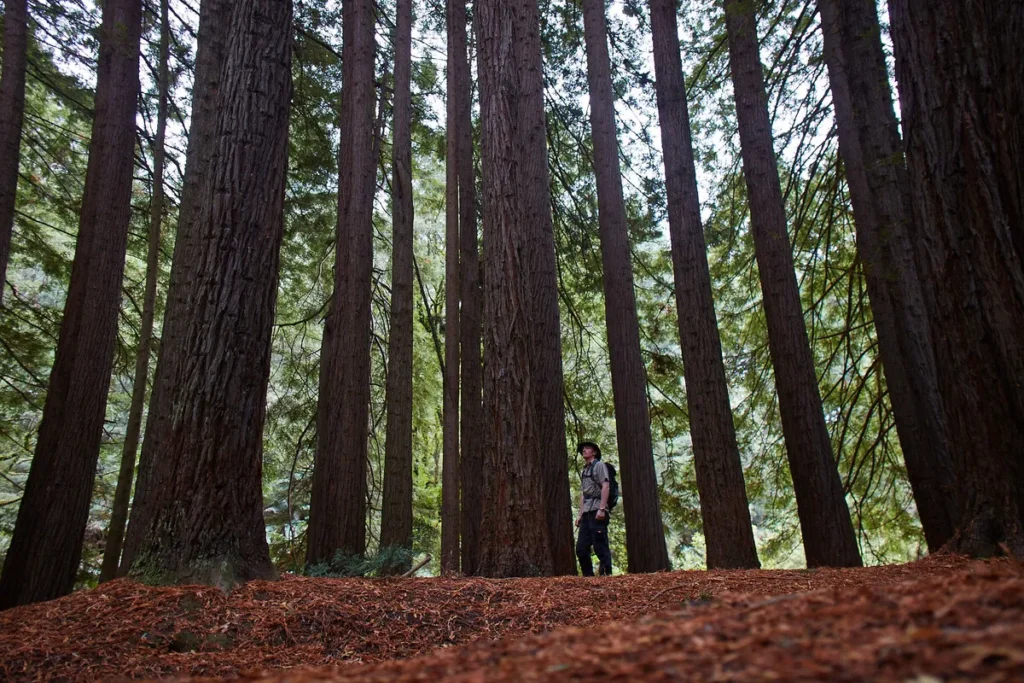
The Californian Redwoods in Otway National Park are a different type of photography. The thick forest and tall trees make it a nature photographer’s paradise. Try shooting the light and shadow as the sun filters through the canopy.
Gibson’s Steps
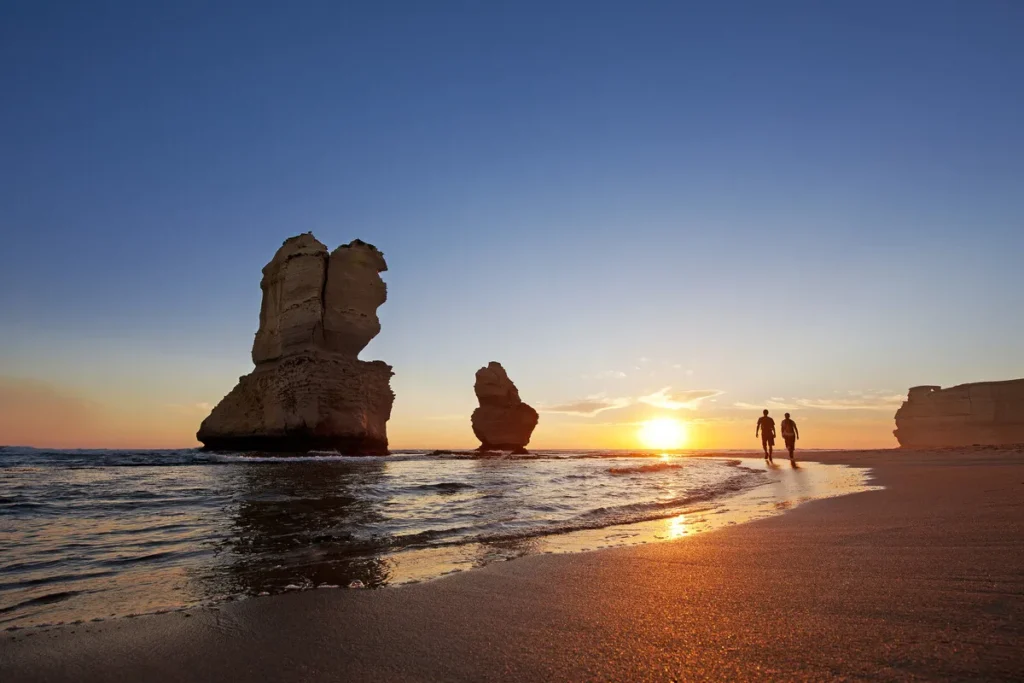
At Gibson’s Steps, you have a unique perspective on the Twelve Apostles right on the beach. The backdrop is huge rocks rising out of the water with waves crashing against them. Perfect for wide-angle or detailed shots. But go at low tide so you can get better reflections and angles.
Twelve Apostles
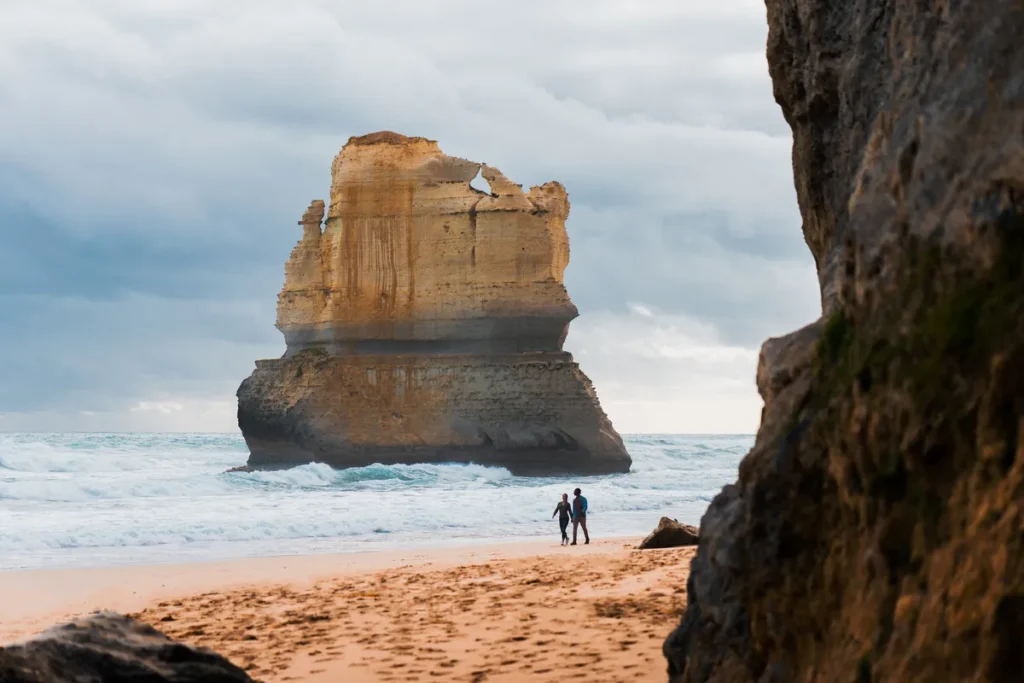
The Twelve Apostles, the most popular photography spots on the Great Ocean Road, are a series of limestone stacks rising out of the ocean. Best time to shoot the dramatic rock formations is golden hour or sunset when the light warms up this rugged area.
Loch Ard Gorge
Loch Ard Gorge is famous for its rock formations and sea stacks. Rocky shelves, pristine beaches and turquoise water make it a great place to shoot landscapes. Try different angles and compositions to emphasize the natural beauty here.
Cape Otway Light Station
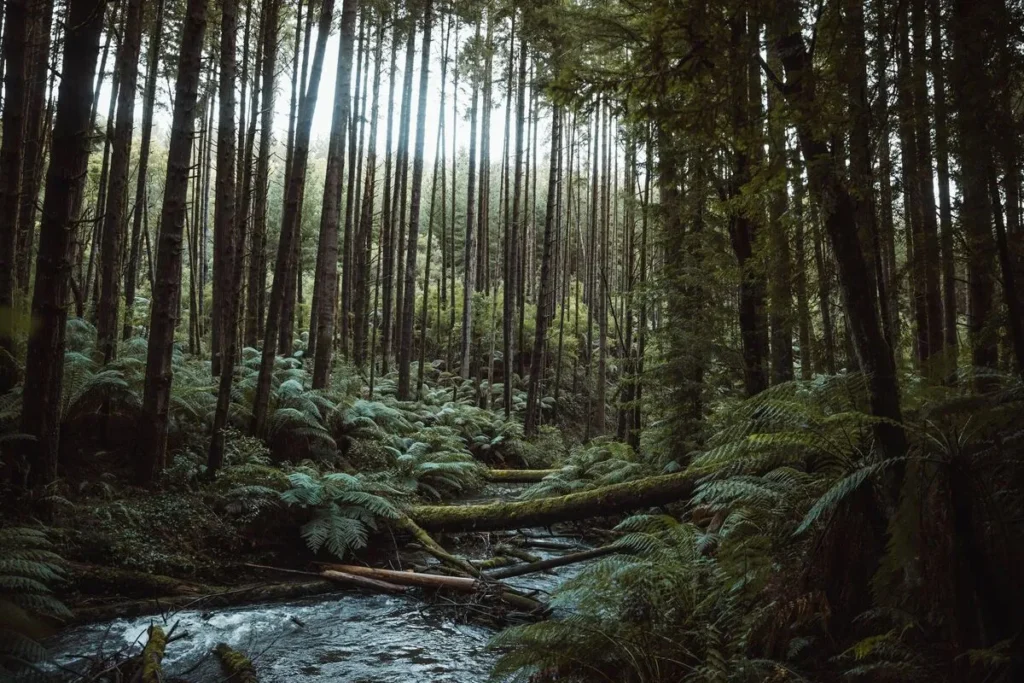
This historic lighthouse is a great spot to shoot coastal scenery with the surrounding environment. The contrast between the lighthouse and the rugged coastline is great for shots during golden hour when the light is soft.
Cape Patton
From Cape Patton you get clear panoramic views of the coast. Dramatic cliffs and the ocean drive can be perfect for wide angle or detailed landscape shots.
Jan Juc, Torquay
Jan Juc Beach has great sunrise and sunset shots. This beach has many rocks around it so any shot taken here will show how beautiful this part of Australia is.
Point Lonsdale Beach – Low Tide
At low tide Point Lonsdale Beach reveals rock shelves and tidal pools. The shallow water reflects the sun and makes for great close ups.
Planning For Great Ocean Road Photography Trip
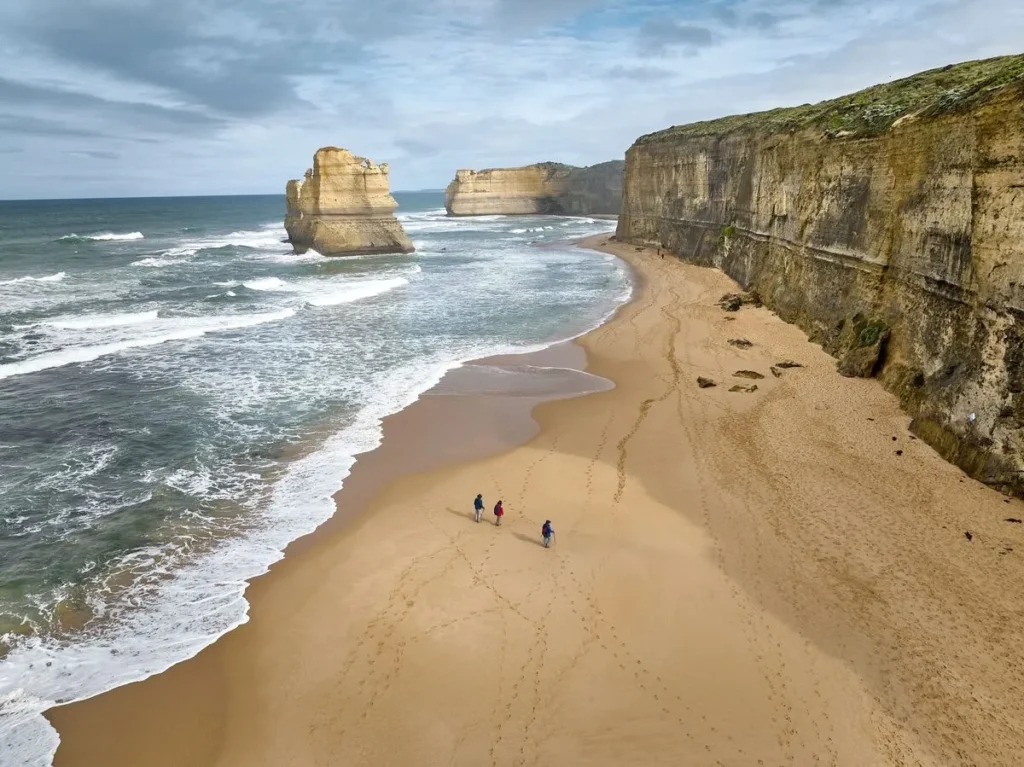
Safety Tips When Shooting Rugged Coastal Areas
Shooting rugged coastal areas can give you amazing scenery and dramatic landscapes that are often exclusive to these places but also dangerous. This type of terrain can pose challenges and hazards throughout your shooting journey. Follow these safety tips so you can have a smooth shot without danger.
Wear Appropriate Gear
You need to have the right gear when entering a rugged coastal area. It would be wise to wear trekking boots that are strong and have good grip on your feet since this will help you move easily on an uneven and slippery land. Dress in layers so you can change according to the weather and consider moisture wicking materials that will keep you dry and comfortable. Also, bring a water proof jacket or poncho in case it rains suddenly.
Be Careful on Slippery Rocks
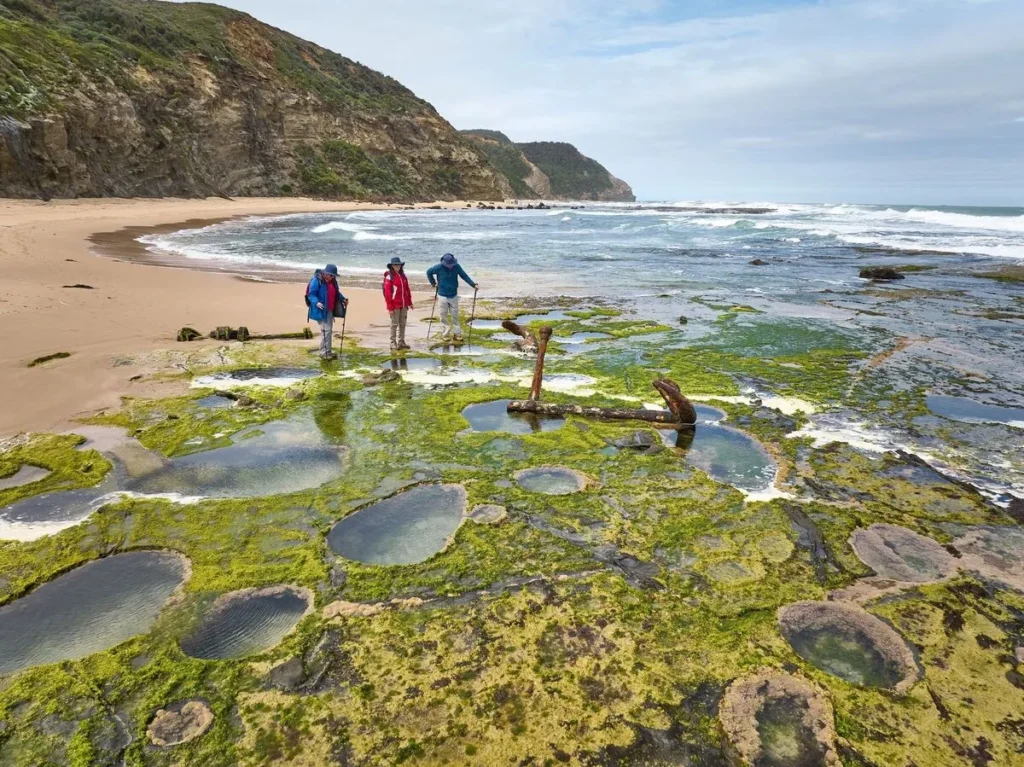
Most of the time these coastal areas have slippery rocks including the surfaces which can be very dangerous when wet. Take your time when walking on such surfaces and for more support use poles for walking. Choose secure trails and avoid stepping on rocks with algae as they become very slippery.
Know Ocean Currents and Tides
Most of the time, you have to get in or near the water when doing coastal photography. Before you go, know how tides behave and ocean currents locally; strong currents can deceive one’s eye, causing risks to life; thus, tide schedules need to be confirmed and take note of how they will affect your shooting location – if they are too strong consult local authorities or guides around the area.
Weather
Coastal weather can change quickly from mild to hazardous in no time. Check the weather forecast before you leave and again while you’re at the site since weather conditions can change frequently in these areas. Expect high winds, sudden storms and temperature changes too. Have a plan for the weather conditions so you won’t get caught in an unfavourable situation.
Plan Your Shot
To minimize risks, plan ahead. It’s recommended to visit the area in person or use satellite images before filming. Look at all possible dangers such as steep edges or shaky ground. When shooting, make sure you have stable footing and a way out.
Drone Permit for Aerial Shots of Great Ocean Road
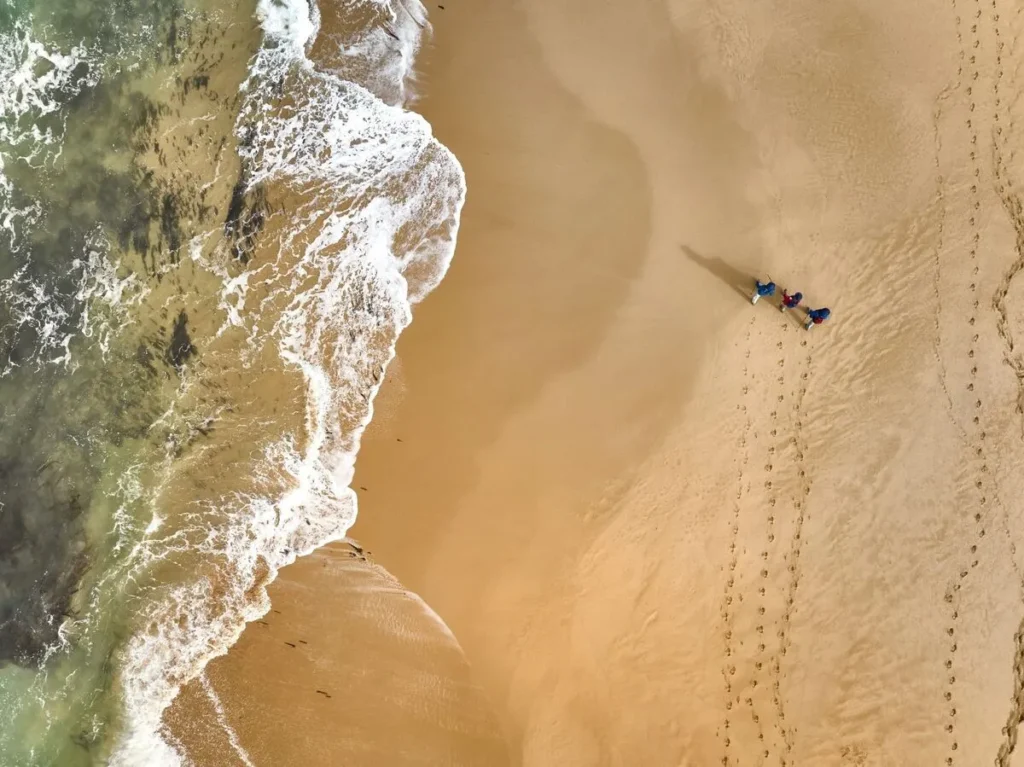
If you want to shoot aerials using drones, you need permits. Know the no-fly zones and follow local rules on privacy and personal safety to get awesome aerial shots.
Conclusion
The Great Ocean Road is a photographer’s paradise. From the famous Twelve Apostles to hidden gems like Gibson’s Steps, there’s an opportunity to shoot everywhere. Whether you’re a pro or just an enthusiast, you’ll find plenty of opportunities to get lost in the art of landscape photography. Get creative, try new things and enjoy the experience of shooting one of Australia’s most beautiful coastlines.
FAQ
What’s the best time to shoot on the Great Ocean Road?
Spring (September-November) and Autumn (March-May) are the best times to shoot along the Great Ocean Road with gentle weather and soft light. Summer is busy, and winter is unpredictable with weather changes.
Can I fly my drone for photos on the Great Ocean Road?
Yes! Drones are perfect for aerial shots along GOR but make sure you meet the legal requirements for this form of art. So fly in areas where it’s allowed so you don’t get fined or harm anyone.
How do I take good shots of the Twelve Apostles?
Also, if you want to have your shot taken at the Twelve Apostles, consider sunrise or sunset as the best light. Wide-angle lenses are used to capture the cliffs and ocean dramatically, and if you want to take time-exposure shots with water-smoothing effects, bring a tripod.
Can I shoot at the Great Ocean Road landmarks?
Some monuments have rules in place to protect the environment and visitor safety. Check local guidelines before setting up your gear and shooting in restricted areas.
How do I stay safe while shooting in rough coastal areas?
Exposed rocky cliffs, slippery surfaces and big waves require you to be more careful when moving around in these areas to shoot. Wear proper shoes and keep a good distance from edges and keep an eye on the weather. Safety first so make sure you plan where you want to shoot from.