Why Is Professional Teeth Whitening So Expensive?
You’ve seen the smile transformations on social media. You’ve browsed the cheap counter whitening products at Chemist Warehouse. But then you book a professional tooth whitening session and nearly fall out of the chair — and that’s before they even start. So, why is professional teeth whitening so expensive?
Let’s break down the cost of teeth whitening with zero fluff, some real figures, and a whole lot of honest insight. If you’re considering both cosmetic treatments and education, Cosmetic Tattoo Brisbane Studio Face Figurati has been seeing a spike in enquiries from students looking to pair beauty skills with a teeth whitening course.
What does “professional” actually mean?
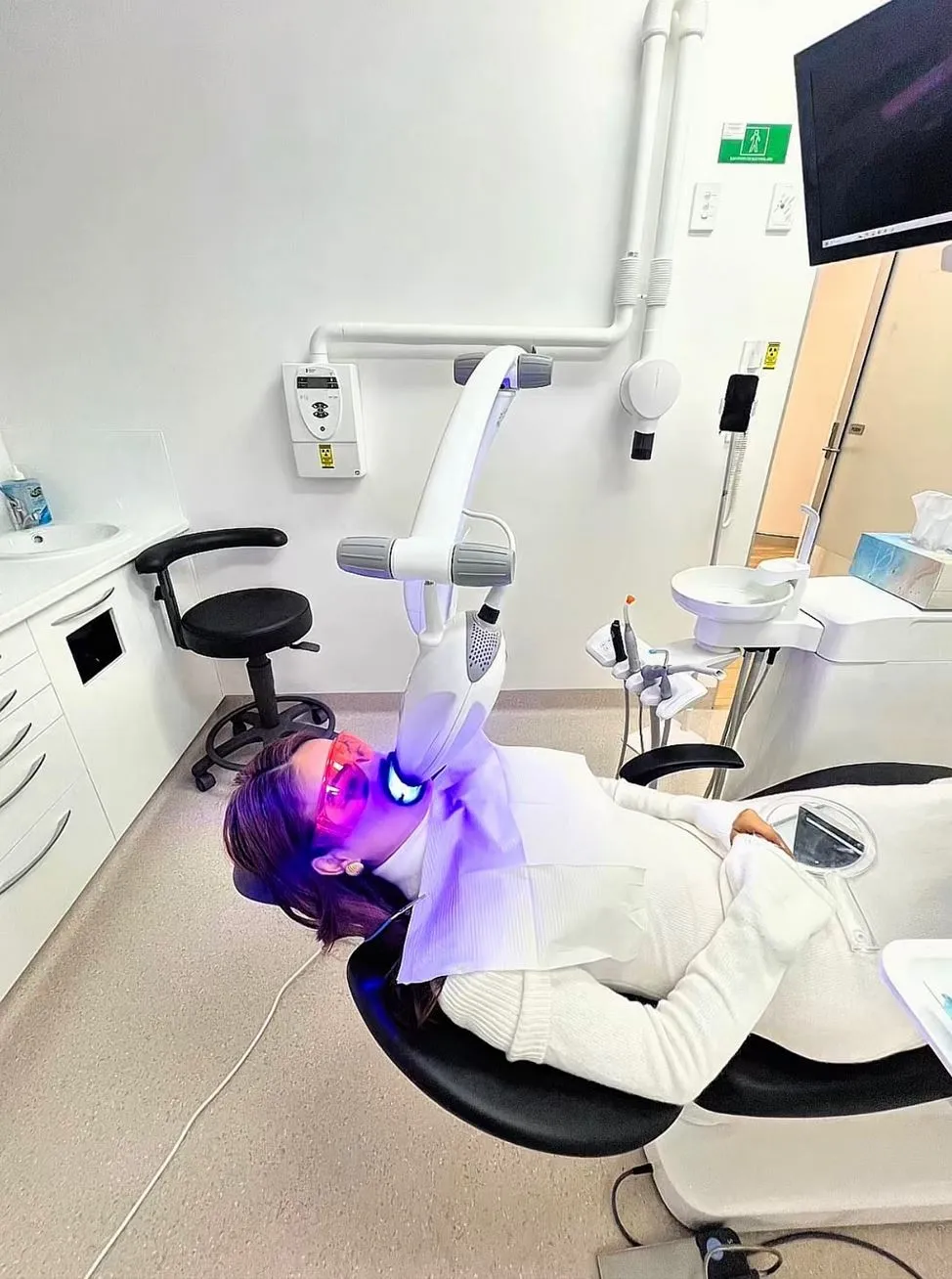
The first thing to know? Not all whitening is created equal. Professional whitening treatments mean you’re getting the real deal: a regulated, high-concentration whitening agent applied by a qualified dentist or experienced dental practitioner in a hygienic, professional setting.
In Australia, only registered dental professionals are legally allowed to use stronger peroxide formulas. This isn’t a gimmick — it’s a safety thing. High-peroxide gels (like hydrogen peroxide up to 35%) can cause real damage if misused: think chemical burns, nerve pain, and long-term gum inflammation or sensitivity.
With a pro treatment, you’re paying for:
- A dental examination to check if whitening is even suitable for your teeth (hint: it’s not for everyone)
- TGA-approved, high-quality whitening gel products like hydrogen peroxide or carbamide peroxide
- A protective barrier to shield soft tissues and gums during the whitening process
- Qualified, insured professionals in dental clinics or dental offices
- Follow-up visits, custom-fitted whitening tray options, and oral care advice
Comparing whitening options: clinic vs at-home
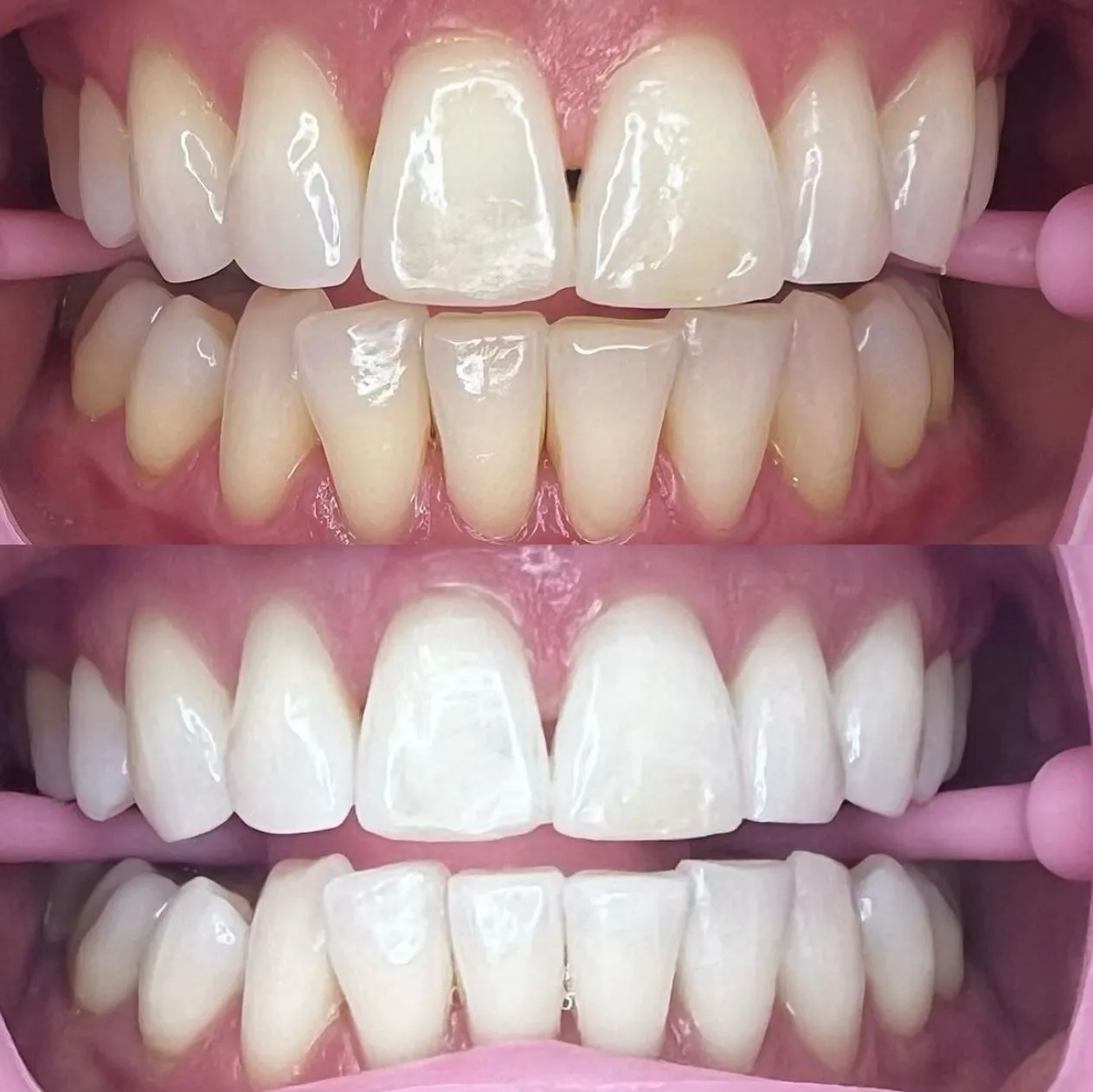
Here’s a quick breakdown of the range of teeth whitening products and services available, from office whitening to affordable home teeth whitening:
| Whitening Type | Cost Range (AUD) | Active Ingredient Strength | Supervised? | Results Timeline | Safety & Longevity |
|---|---|---|---|---|---|
| In-chair professional treatment (chair whitening/office whitening) | $300 – $1000+ | Up to 35% hydrogen peroxide | Yes | Instant (1-2 hours per session) | High |
| Take-home custom trays (from the dentist) | $250 – $500 | 10-16% carbamide peroxide | Yes | Gradual (2-3 weeks) | High |
| Over-the-counter whitening kits/counter products | $20 – $100 | 3-6% hydrogen/carbamide | No | Gradual (2-4 weeks) | Low-moderate |
| Whitening toothpaste / abrasive material | $5 – $15 | Abrasives, minimal peroxide | No | Very gradual (months) | Very low |
What You Really Get for $800
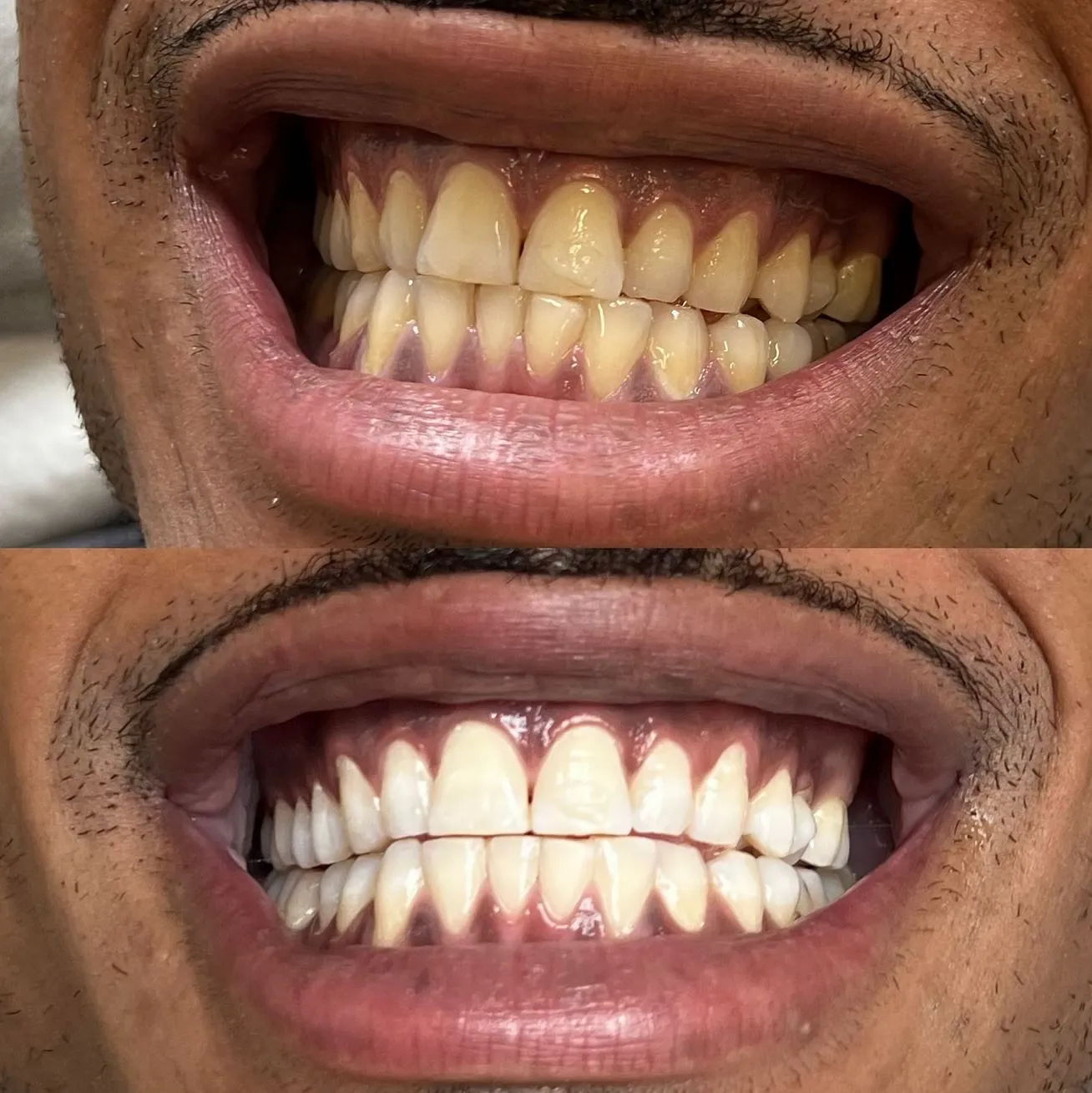
Shelling out hundreds for a single session might feel wild — until you consider what’s bundled into the cost of professional whitening treatments:
- Clinic-grade products: These aren’t supermarket gels. Professional products like Philips Zoom or Pola Office use a high-quality whitening gel with built-in desensitisers.
- Advanced whitening technique: Specialised light or laser teeth whitening (like LED activation or chairside bleaching) speeds up the whitening process and enhances results.
- Customisation: A skilled dentist adjusts the type of teeth whitening based on your dental health, existing dental work, and natural shade to avoid damaging sensitive teeth or soft tissues.
- Aftercare included: Some dental clinics throw in take-home trays, additional treatments, or fluoride treatments to help maintain oral hygiene and reduce future staining from acidic foods or stain-causing food and drinks like balsamic vinegar.
The price of doing it wrong
Going the cheap route with counter tooth whitening products or online bleaching kits might look like a bargain — until it backfires.
Common risks of low-quality or DIY whitening:
- Uneven or unnatural-looking results from poor application or low-quality whitening gels
- Worsened sensitive teeth due to overuse of abrasive ingredients or improper application
- Gum irritation or damage to protective layers around the teeth
- No effect on tough stains, crowns, veneers, or fillings
But is it worth it?
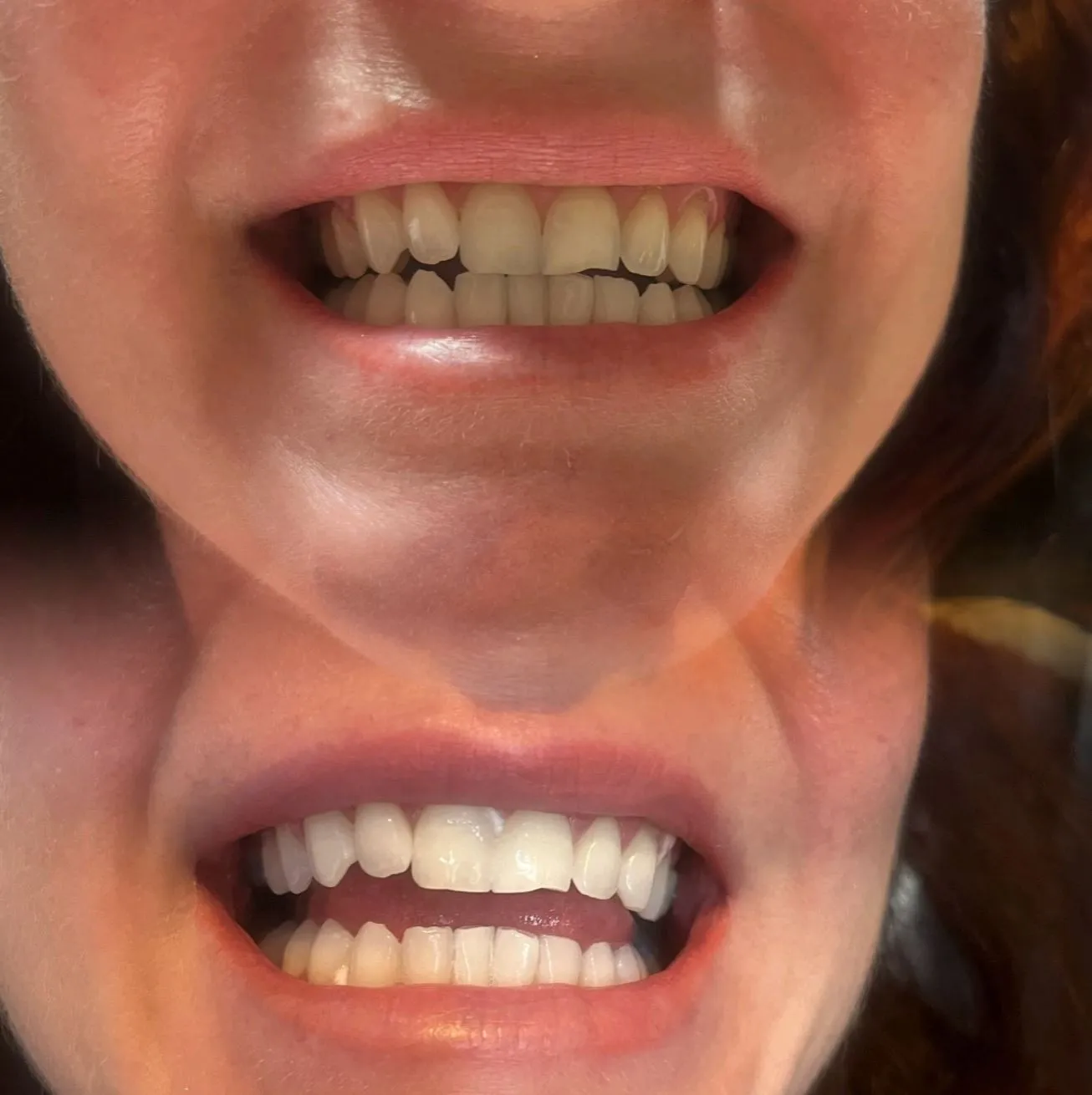
If you’re a coffee-lover, wine drinker, smoker, or simply want a brighter smile for a job interview or special occasion — professional whitening can absolutely be worth the investment.
Here’s when it’s a smart cosmetic procedure:
- Your natural teeth are healthy, cavity-free, and professionally cleaned
- You want whiter teeth fast without trial-and-error
- You’re preparing for a life moment (engagement photos, wedding, career change)
- You’re under the care of a qualified dentist or dental hygienist
And when it’s not?
- You have crowns or veneers on visible teeth (these don’t change colour)
- Your tooth discoloration is internal (e.g. from trauma or antibiotics)
- You suffer from extremely sensitive teeth or allergies to peroxide
Trending in 2025: natural tone, not blinding white
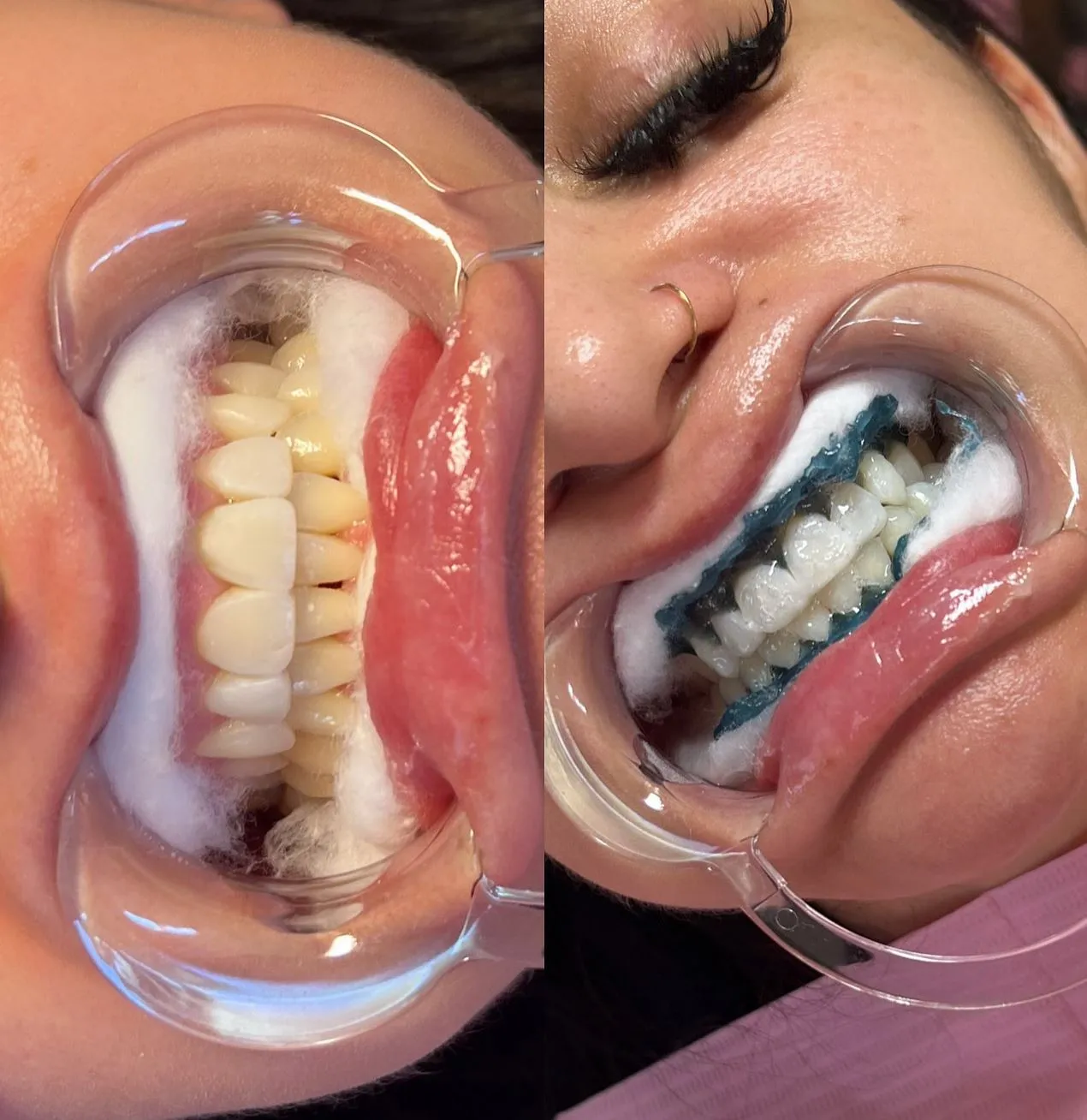
Forget those over-bleached, icy shades. The trend now? A bright smile that still looks like your own. The 2025 Australian Aesthetic Dental Survey found 68% of clients prefer a whiter smile that matches their natural shade — not a Hollywood filter.
Dental professionals are now favouring:
- Lower-concentration peroxide is used more often over an extended period
- Remineralising treatments to maintain oral health and protect enamel
- Natural whitening results that complement skin tone and age
This more holistic approach to teeth whitening means longer-lasting results, fewer side effects, and a more confident smile.
What to ask before booking
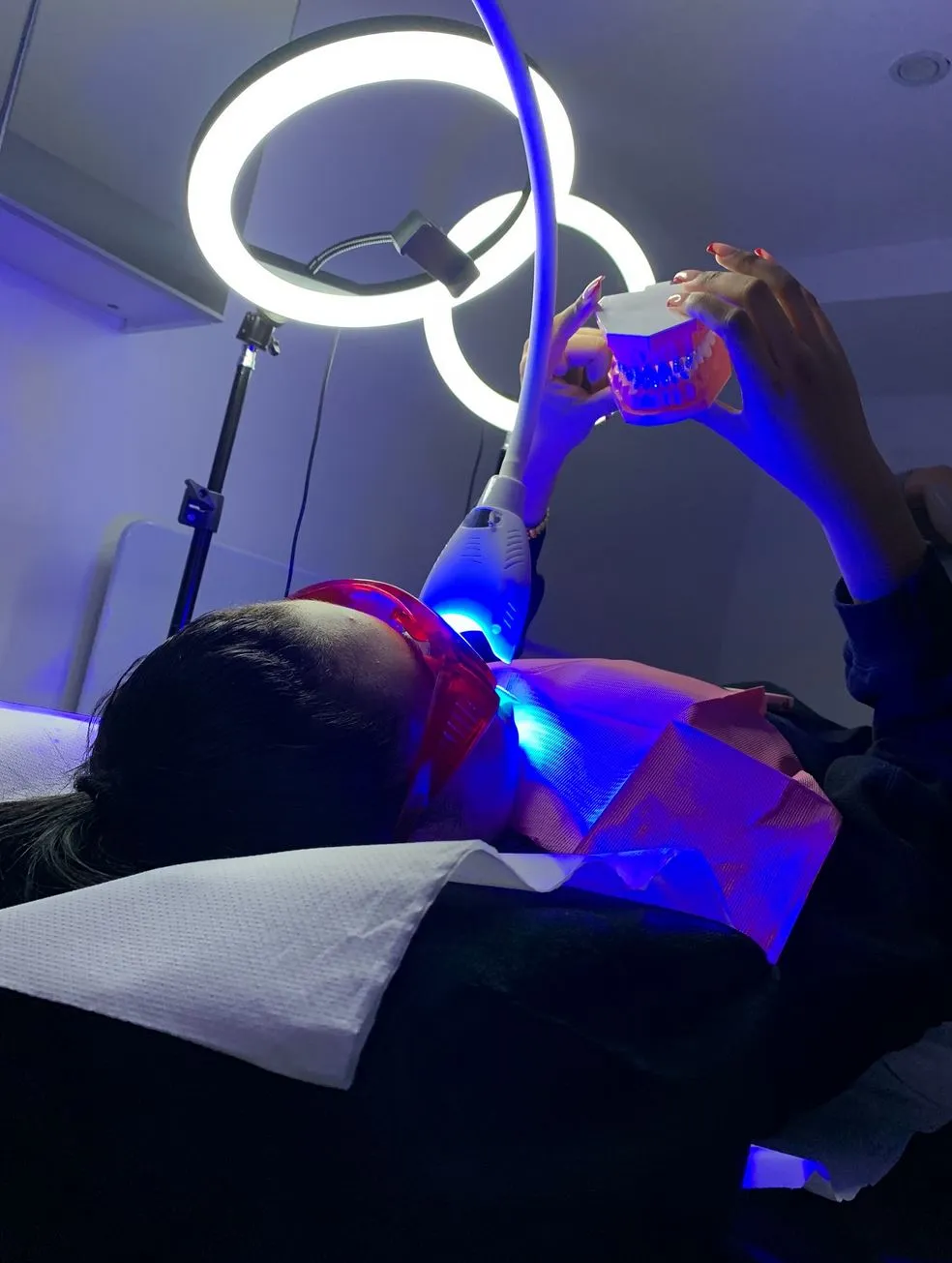
Choosing a whitening provider shouldn’t be about price alone. Ask these questions:
- Are you a registered dental professional or dental practitioner?
- What type of treatment or whitening system do you use?
- Will you perform a dental examination first?
- How do you minimise pain for sensitive teeth?
- Are custom trays or follow-up visits included?
- Do you offer flexible payment plans?
If you’re planning to offer this service yourself, enrolling in a professional teeth whitening course is a smart move. The team at Cosmetic Tattoo Brisbane Studio Face Figurati often guides new students through combining their beauty qualifications with practical oral aesthetics like whitening.
Quick tips for a longer-lasting white smile:
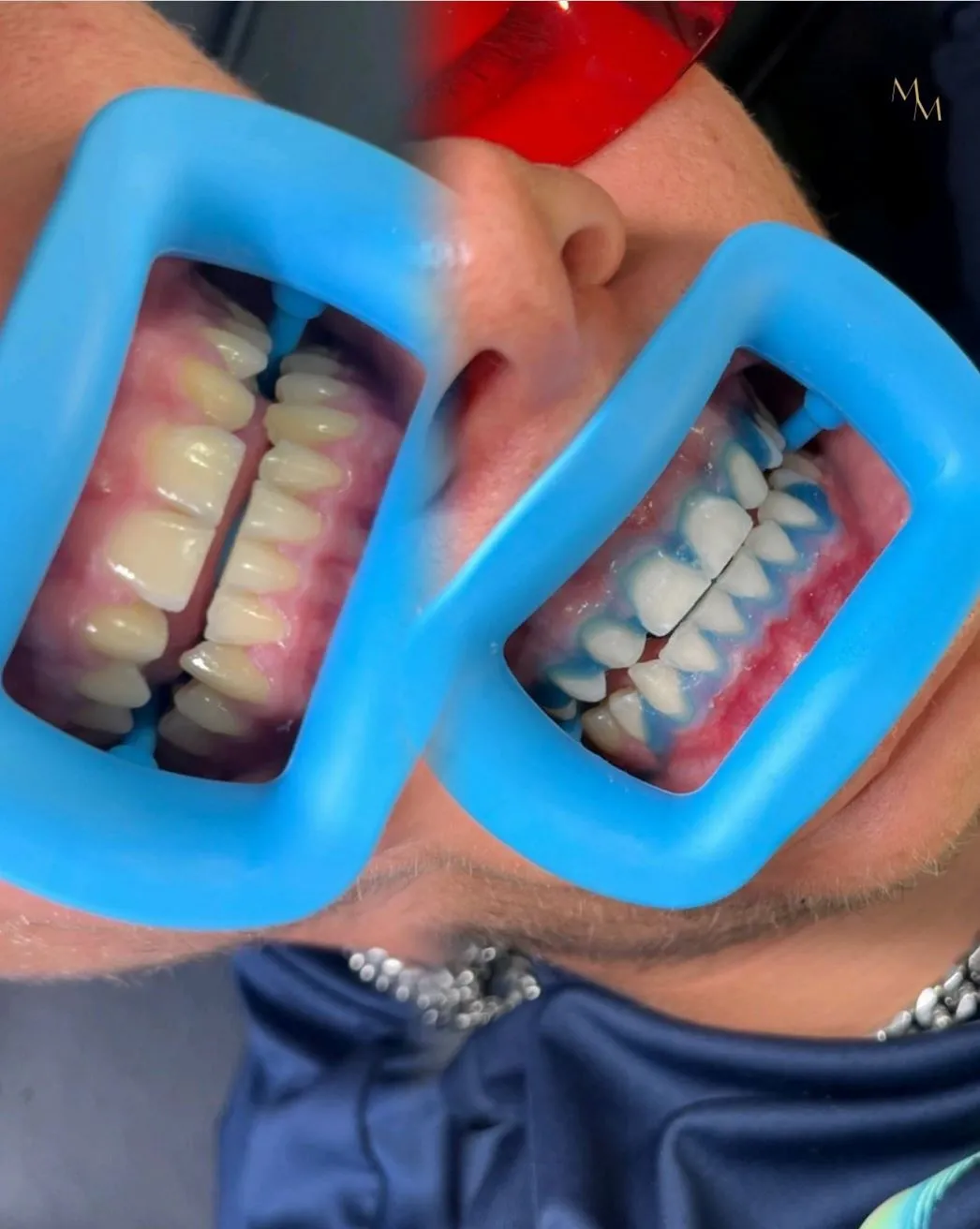
- Avoid stain-causing food like curry, berries, and red wine post-treatment
- Stay away from acidic foods and drinks that wear enamel
- Use a straw for coloured drinks
- Follow your dentist’s treatment plan and whitening advice
- Schedule regular visits for dental cleaning and checkups
Final thoughts
Professional whitening isn’t just about pearly whites — it’s about doing things safely, legally, and effectively. When done in a professional setting by a skilled dentist or dental hygienist, it’s an effective treatment that supports overall dental health and oral hygiene practices.
If you’re looking for an affordable option, many clinics now offer whitening packages, basic treatment plans, or payment options that bundle chair treatments with future touch-ups.
Just remember: there’s no point chasing a dazzling smile if it compromises your enamel, gums, or long-term oral care. Get proper care, use high-quality materials, and always follow advice on aftercare to keep that radiant smile.
FAQ
How long does professional teeth whitening last?
Anywhere from 6 to 12 months, depending on your oral hygiene routine, diet, and whether you smoke. With regular brushing and touch-ups, it can last even longer.
Does it hurt?
You might feel temporary sensitivity, especially with hydrogen peroxide or carbamide peroxide products. Most office treatment options now include desensitisers and fluoride treatments to reduce discomfort.
Can I whiten teeth with crowns or veneers?
No. Whitening solutions only affect natural enamel. For crowns, composite, or veneers, speak to your dentist about alternative treatments.
How often can I get it done?
Most types of treatments (especially in-chair whitening) are recommended once a year max, with take-home trays for maintenance and proper oral hygiene in between.
Are beauty salons offering LED whitening legal in Australia?
Only registered dental clinics can legally use strong bleaching agents and perform office professional whitening procedures. LED salon services are cosmetic only and often ineffective.