Navigating Kakadu’s Scenic Drives: Must-See Road Trips
Kakadu is a natural beauty and cultural treasure. This is the top destination for road trippers. This part of North Australia is a Unesco World Heritage site and covers nearly 20,000 square kilometers of rugged cliffs, ancient rock formations, wetlands and waterfalls. Kakadu National Park offers Darwin to Kakadu day trip of its icons or day trips into this reserve and get immersed in the Aboriginal culture you won’t forget.
Darwin to Kakadu: The Outback Adventure Starts
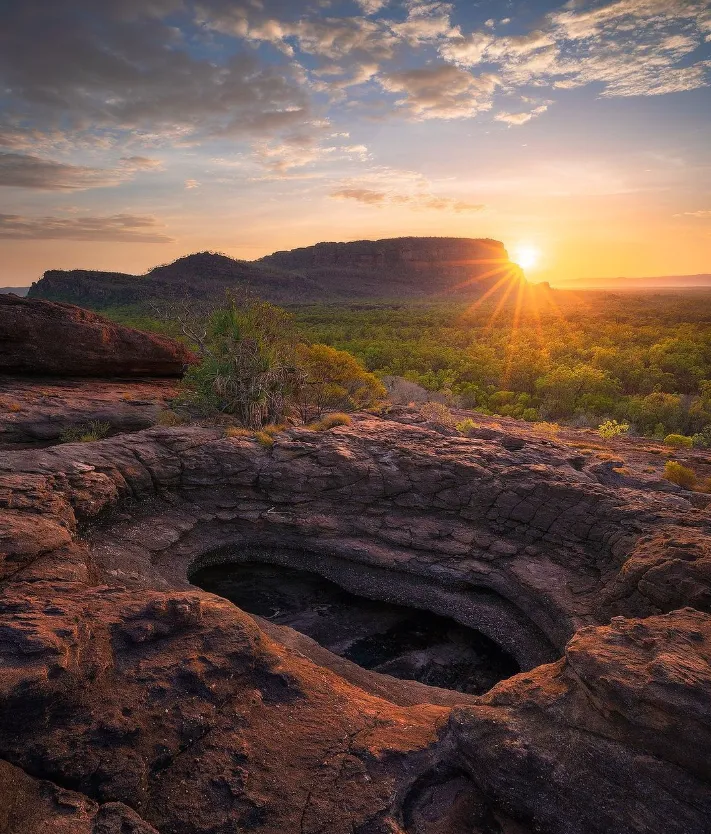
The journey begins in Darwin, the capital of the Northern Territory. From here, it’s about 250km to Kakadu National Park along the Kakadu Highway. You’ll pass through the charming towns of Pine Creek and see the tough Australian outback. Leaving Darwin’s urban sprawl for the endless outback is a good indication of what’s to come. And don’t miss the termite mounds throughout the landscape. They add character to the place and make for great photo opportunities.
Kakadu National Park
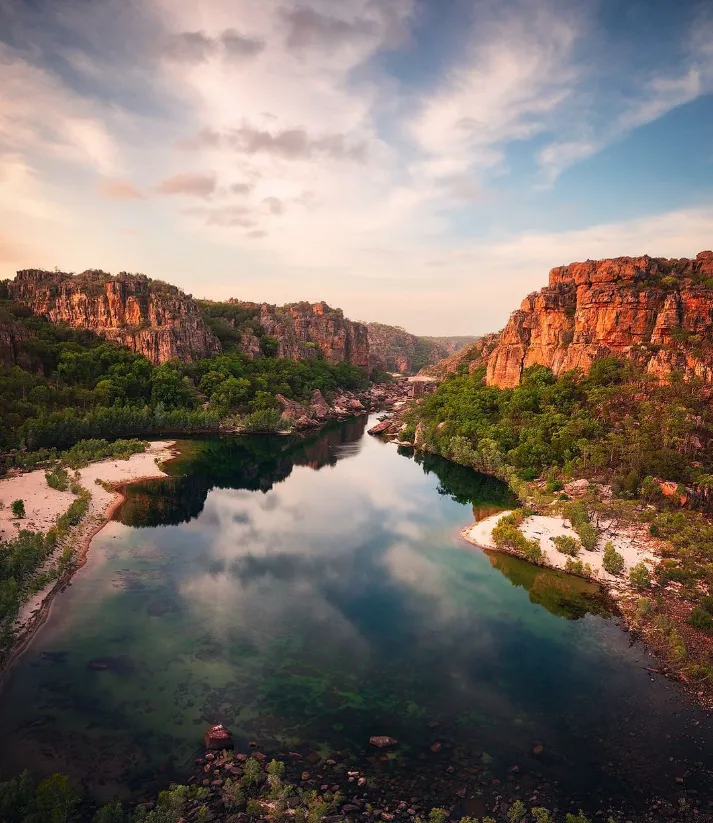
Kakadu National Park is famous for its natural beauty and cultural heritage. The park has multiple habitats – floodplains, woodlands and escarpments, each with its own attractions within the park. For example, Yellow Water Billabong is a land of birds and scenery that hasn’t been found anywhere else in the world for the past 10 years. Ubirr and Nourlangie, where you can see ancient rock art sites that give insight into the spiritual beliefs and lifestyle of the traditional owners and Aboriginal people [16]. Also, Jim Jim Falls and Twin Falls are must-sees for their views and adventure.
Best Time to Visit: Dry vs Wet
When to visit Kakadu National Park? Well, it depends on what you want. The dry season is from May to October, and it is best for scenic drives and walking tracks within the park. Temperatures are moderate, and sealed roads are open, so popular spots like Wangi Falls, Florence Falls, or Mary River are accessible. The wet season (November to April) has lush green vegetation and waterfalls, but roads may be closed due to heavy rain and higher humidity. Each season has its own experience so choose your time of travel depending on what you want to see and what kind of photo you want to take home.
Must Pack for Road Trips
When heading south, don’t forget to pack these essentials:
- Comfortable Clothing: Hot, dry season – light and breathable; cooler evenings/wet season – warmer layers.
- Sun Protection: Sunscreen to prevent sunburns from outback sun, broad hats to prevent heat stroke and light sunglasses to protect your eyes from UV rays.
- Hydration: Especially when travelling in remote areas where water should always be carried.
- First Aid Kit: For any small accidents or minor injuries that may happen during the trip.
- Maps and Navigation Tools: If you prefer using a GPS navigation system instead of maps, especially when driving off-road or in desolate areas.
- Camping Equipment: If you plan to stay in caravan parks or campgrounds like Merl and Mardukal Campgrounds, make sure you have all your camping gear.
- Camera and Binoculars: To capture landscapes and wildlife.
Roads
Kakadu National Park has many great drives to see nature from different angles. Here are some of the main roads:
- Kakadu Highway – This main road links Darwin to Kakadu and is the entrance to many of the park’s sites. Along the way are towns, lookouts, cultural sites.
- Arnhem Highway – from Stuart Highway to Kakadu National Park; offers views of the Arnhem land escarpment and access to wetlands and Aboriginal cultural sites.
- Elsey National Park Drive is also an access road to explore Elsey National Park and hot springs like Bitter Springs and Katherine Hot Springs.
Go Around
Mamukala Wetlands
Mamukala Wetlands is a landmark in Kakadu National Park where you can go bird watching or take nature photos. It’s one of the many wetland areas where many bird species concentrate during the dry season when the waters recede, and birds congregate in the remaining pools. This concentration of birds makes Mamukala an amazing place for wildlife viewing and photography. A birdwatching experience here will be enhanced by the presence of species like magpie geese, egrets, herons, etc. The raised viewing platform at Mamukala has panoramic views of the entire wetland. Now, you can see how water levels change over time and how they affect the plants and animals living here by observing seasonal changes at different times of the year along this stretch; you may also see how minor flooding changes the habitat while waiting for the big monsoonal rains. Mamukala is a quiet site in the middle of Kakadu National Park; it’s also one of the highest species diversity and wildlife sighting areas.
Ubirr Rock Art
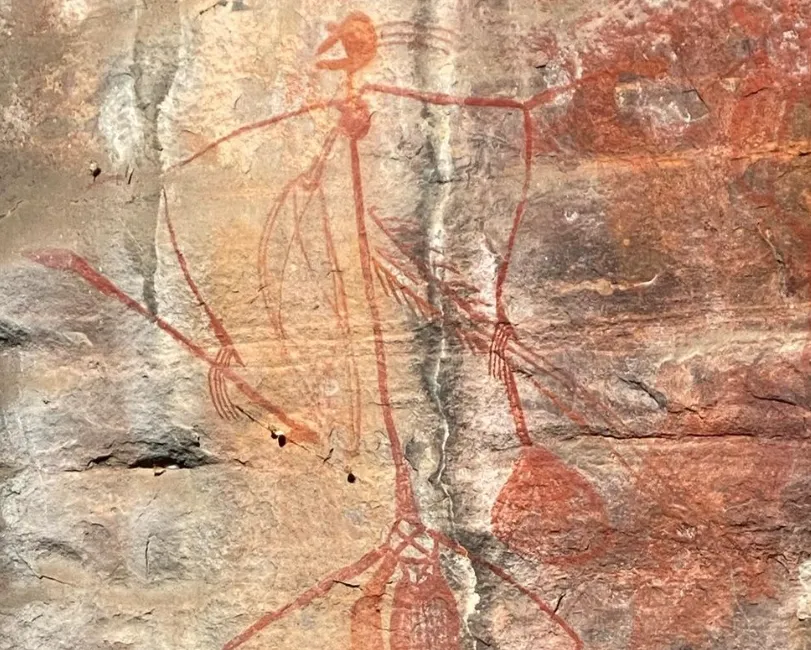
Ubirr has some of Australia’s most important Aboriginal cultural sites, so it’s famous. It has art from generations ago, showing animals, ancestors, and ceremonies. Great insight into how this mob lived in this area before whitefellas. Every piece of art here tells a story that is part of their heritage and traditional philosophies about the land. At Ubirr, there are lookouts with amazing views of the surrounding landscape. Floodplains stretch out below them to the Arnhem Land escarpment on the other side, and you can see why this is the place where they created such magnificent carvings on the walls.
Cahills Crossing
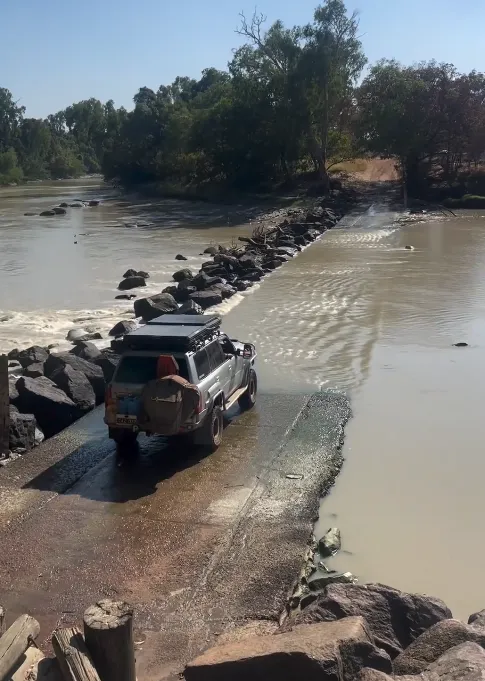
Located on the East Alligator River, Cahills Crossing is one of Kakadu’s most famous places. It’s notorious for the challenging river crossing and for seeing saltwater crocs in the wild. This crossing is dangerous during the wet season when the river is so high it’s not walkable. But Cahills Crossing is still a hot spot for people who want to see those magnificent saltwater crocs in the area. Just be careful and follow the local safety rules for a safe visit. Seeing these big fellas in their own backyard can be exciting, but you have to be careful as crossing them is hazardous.
Burrungkuy (Nourlangie) and Nawurlandja
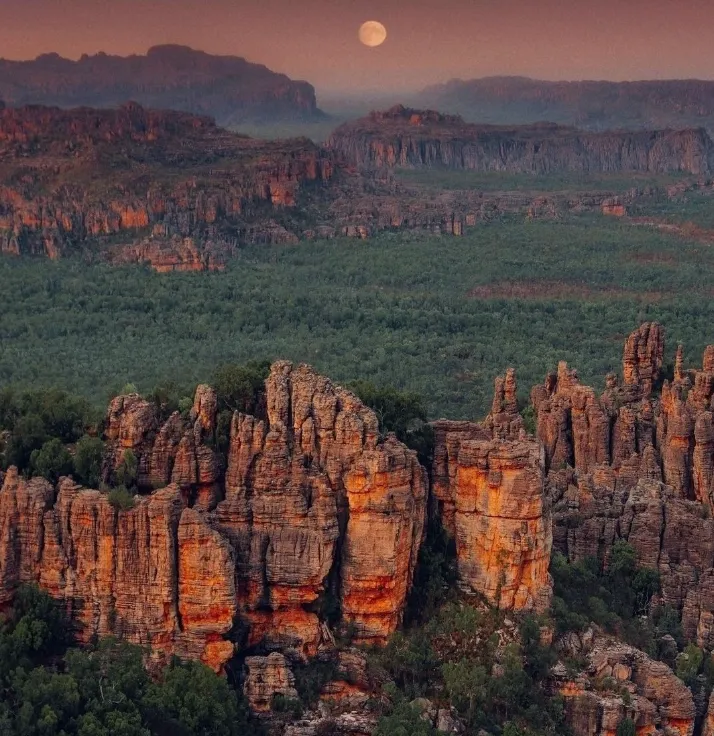
Otherwise known as Nourlangie, Burrungkuy is one of Kakadu’s most important rock art sites, and tourists can learn about the rich cultural heritage of this area. The site has ancient rock art that gives great insight into the lives, beliefs and activities of the Aboriginals. There are arcane representations of ancestral beings and ceremonies that show the Indigenous people’s deep connection to their ancestors and land. From Nawurlandja Lookout, you can see the sandstone plateau and ancient gorges. This viewpoint will help you understand why you should value this place.
Yellow Water (Ngurrungurrudjba)
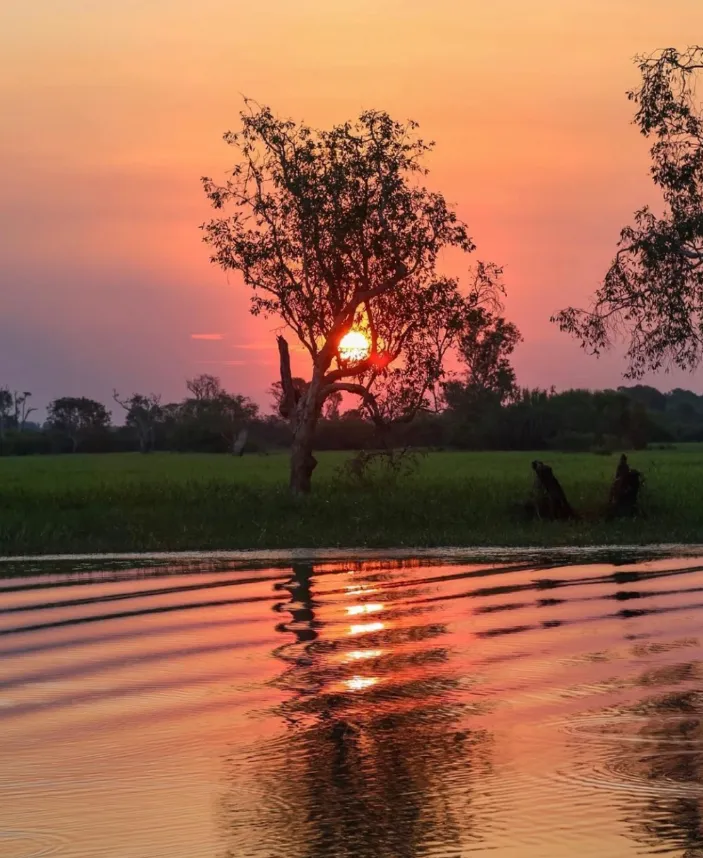
Ngurrungurrudjba, or yellow water, is a large and beautiful billabong in Kakadu National Park known for its high biodiversity and scenery. The location has many bird species, so a boat ride on Yellow Water is a great opportunity to bird watch and see crocs in their backyard. The calm waters and lush vegetation make it perfect for bird-watching and wildlife spotting. Yellow Water is famous for its sunsets, so it’s a great place to go for an easy evening cruise. This is one of the most beautiful areas in Kakadu National Park because of the scenery and living things.
Adelaide River
Adelaide River is another big deal in Kakadu because of the floods and the diversity of the ecosystems. The river is a key part of this area’s ecology and supports many species of flora and fauna. During the wet season, the floodwaters of the Adelaide River create huge wetlands that attract many birds and other animals. So, if you want to see the diversity of this area or how the seasons affect the wildlife here, then you should visit Adelaide River. What makes Adelaide River an interesting part of Kakadu’s landscape is its dynamic nature, which supports the local ecosystem.
Camping
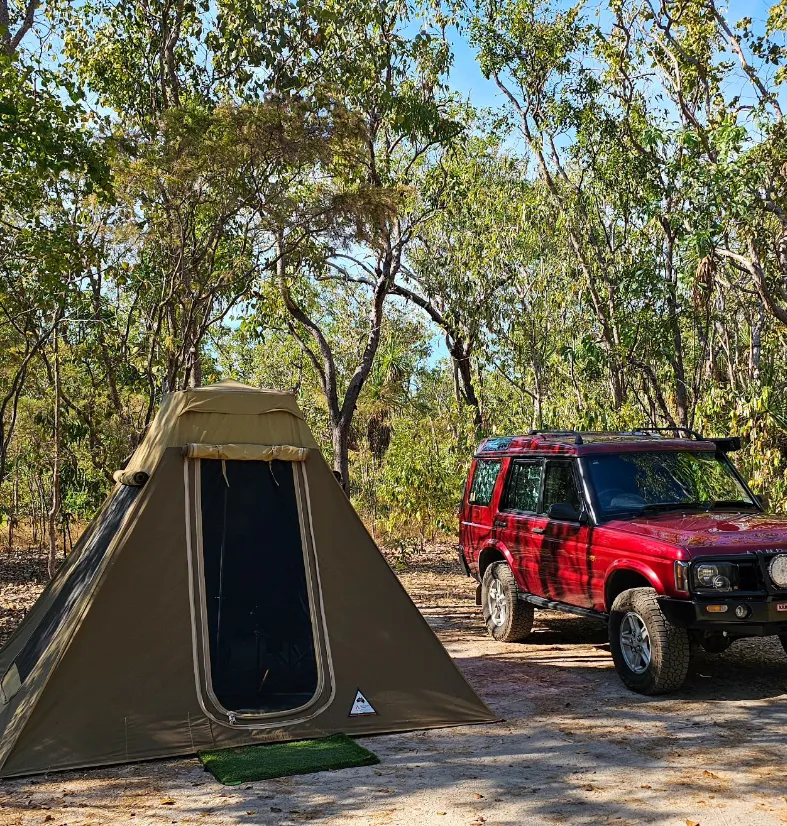
There are many caravan parks and campgrounds throughout the park, so camping in Kakadu National Park is very popular with tourists. Notable ones are Cooinda Lodge, which has a range of accommodation options and is close to the attractions, and Merl Campground, which is a more ‘wild’ camping experience and less developed. Make sure to check for park passes and book in advance during peak season.
Tips for a Kakadu Road Trip
- Sealed versus Unsealed Roads: There are sealed and unsealed roads in the park. The sealed ones like the Kakadu Highway are better access while the unsealed ones will take you to less crowded areas but can be rough especially during the wet season.
- Road Conditions: Always check the road conditions and closures, especially during the wet season when some of them may be impassable.
- Travel Advice: You can also seek travel advice from local experts or visitor centres if you’re going into remote areas or doing a cultural Kakadu tour.
- Safety: Follow safety guidelines especially when it comes to wildlife interactions or crossing rivers. Know crocodile safety rules, and don’t swim in areas where they are known to be present.
- Local Attractions: Nearby attractions, including Litchfield National Park with its waterfalls and swimming holes and Nitmiluk National Park with Katherine Gorge and other natural wonders, should be considered.
Conclusion
Driving around Kakadu isn’t just about road trips; it’s through some of Australia’s most beautiful landscapes and cultural icons. Different routes offer different experiences from the rough beauty of the Kakadu Highway to the green fields during the wet season. Whether you visit ancient rock art, take a sunset cruise or just take in the views will make your trip unforgettable. Pack your bags and hit the road and enjoy nature and history at its best in Kakadu.
FAQ
When is the best time to visit Kakadu?
The dry season (May-Oct) is generally the best time as the weather is better and roads are open, but between Nov-Apr, the landscapes are lush, and waterfalls are dramatic, although some roads may be closed.
What to pack for a road trip to Kakadu?
Comfortable clothes, sun protection, lots of water, first aid kit, maps or GPS and camping gear if staying at caravan parks and campgrounds. Don’t forget binoculars and a camera to capture the landscapes and wildlife.
What do you pack for a road trip to Kakadu?
Light clothes, sturdy shoes, sun block cream, insect repellent and if needed camping gear, map/GPS. Don’t forget your snacks and water and first aid kit.
Can I get to Kakadu National Park with my regular car?
Most of the main sites in Kakadu are accessible with normal cars during the dry season, but some places and roads may require 4WD vehicles during the wet season or unsealed roads.
Is there accommodation in Kakadu National Park?
Yes, there are caravan parks; campgrounds (Merl Campground); lodges (Cooinda Lodge or Aurora Kakadu Lodge etc) book in advance during peak season.